How Mueller Grew Up
From Empty Runways to One of Austin's Most Desirable Neighborhoods
Many people are aware that the land that Mueller sits on - and where it takes its name - was once an airport. What was once runways and terminals is now one of the most sought-after neighborhoods in Austin, Texas, and some days it's still hard to believe how quickly that happened.
When the first families moved in back in 2007, a lot of the 700-acre site was bare dirt. The street trees were skinny saplings tied to stakes. Whole blocks were just lots waiting for houses.
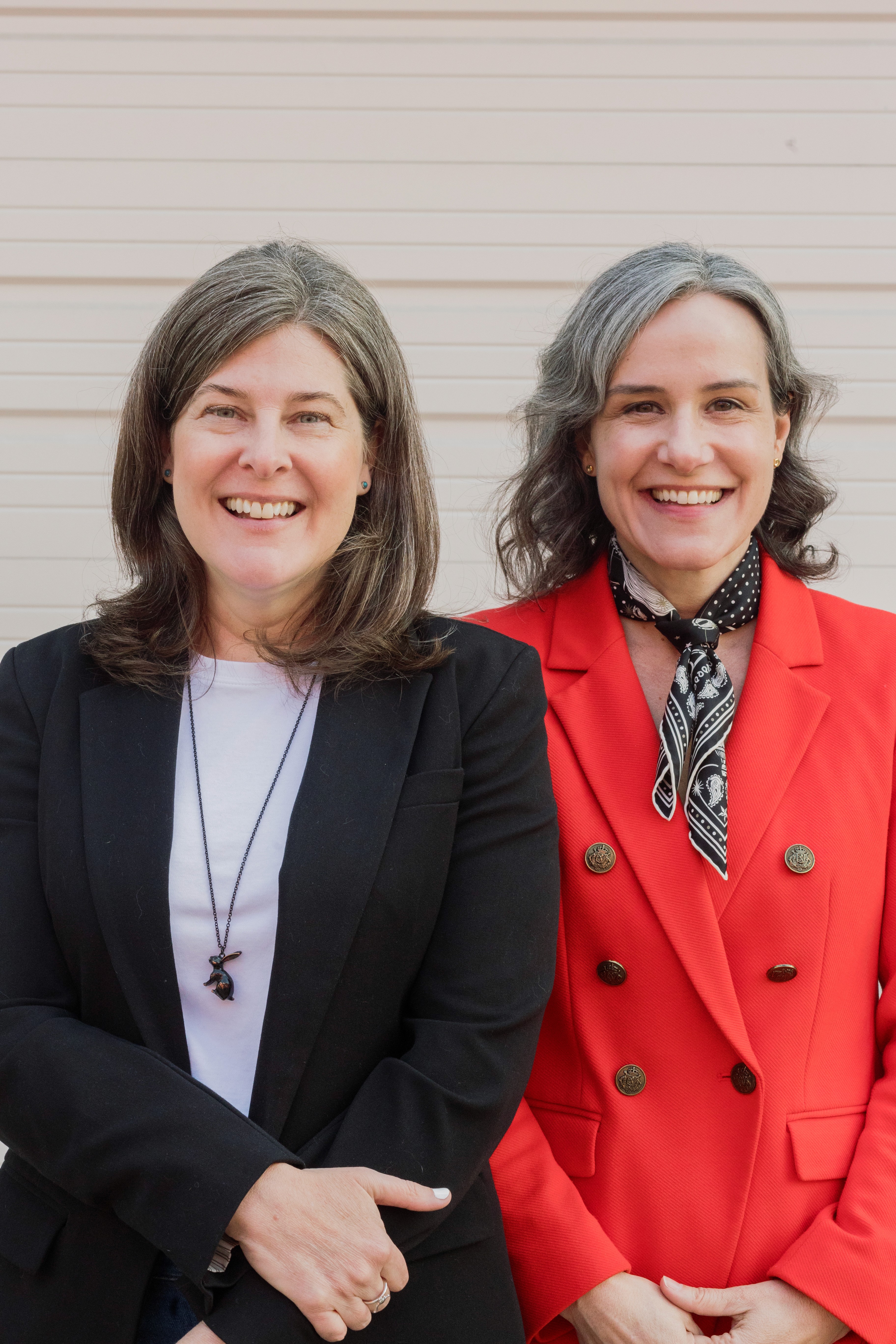
Mueller Residential Group’s Principal Realtor® Kathy Sokolic has lived and worked in the neighborhood since the early days, and with Principal Realtor® Ashley Jackson growing up in Austin, our team has watched this place fill in one block at a time. We here at MRG have seen “The Before”. It shapes everything we tell buyers and sellers now.
Before Mueller Was a Neighborhood, It Was Austin's Airport

For almost 70 years, this was where Austin flew. Robert Mueller Municipal Airport opened in 1930. The last commercial flight pulled out on May 22, 1999, and Austin-Bergstrom International opened the next day (Wikipedia).
The neighbors wanted it gone long before that. Back in 1984, a grassroots group called Citizens for Airport Relocation (CARE) pushed to move the airport and put out its own plan for what the land could become (Terrain.org). One of the loudest voices was Girard Kinney, an architect from Cherrywood. In 1996 he chaired the RMMA Process and Goals Task Force, and the six goals that group set still guide Mueller nearly 30 years on (Mueller). We've written more about him in People Behind the Parks: Girard Kinney.

The land itself was flat and nearly treeless, according to Terrain.org: roughly 711 acres, about ten minutes from UT and twelve from downtown. About as blank as a slate gets.

2007: The Year Mueller Opened Its Doors
People were living in Mueller's first single-family homes by 2007. Dell Children's Medical Center of Central Texas opened that year too, and Mueller Central set up shop in the old airport's Signature Terminal (Terrain.org). Lake Park opened in April. You know it now as Girard Kinney Park at Mueller.

Buying here back then meant trusting a drawing. Those first homeowners had construction crews for neighbors and dirt lots where the parks and shops were supposed to go.
Then 2008 happened.
The crash could have stalled everything, but the way the deal with the city was written gave Mueller room to wait. A Catellus spokesperson told Terrain.org that the development agreement let them pause building during downturns, rather than put up homes and offices nobody was ready to buy. Growth came slower than some people wanted. Steadier, too.
The Middle Years: Mueller Fills In
Somewhere in the 2010s, Mueller stopped feeling like a construction site. Mosaic at Mueller, the first apartment community, opened in 2009. H-E-B opened its full-size store in 2013, the same year The Thinkery, Austin's children's museum, became the first anchor on Aldrich Street. The first protected bike lanes went in that year, too (Terrain.org).
The Austin ISD Performing Arts Center came in 2015. A year later, the neighborhood picked up LEED Gold for Neighborhood Development from the U.S. Green Building Council.
And the parks just kept showing up. Ella Wooten Park and Paggi Square in 2013. John Gaines Park in 2016. Branch Park in 2019, Jessie Andrews Park in 2020, Taniguchi Park in 2024 (Mueller). Every one of them gave a few more blocks a shared front yard.
Aldrich Street turned into the town center the plan always promised, with restaurants and shops mixed in among apartments and condos. We get into the thinking behind that in What Makes a Neighborhood Walkable? A Look at Mueller's Design and How Mueller Was Designed for Density.
The Saplings Became a Canopy
Walk Mueller on a July afternoon and you'll notice the shade before anything else. There are roughly 15,000 trees here now, spread over about 140 acres of parks and open space, mostly native and adapted species (Terrain.org). A lot of them went in small, along streets that were brand new themselves. Almost twenty years later, the oldest ones lean right out over the sidewalks.

Girard Kinney Park is where you really see it. The trail around the pond is shaded now, and the amphitheater hosts outdoor movies and concerts through the year (Mueller). KUTX held its Rock the Park concerts there this fall (KUTX).

That shade counts for something when a home goes on the market. Resale homes in Mueller come with trees and landscaping that have had years to grow in. New construction can't hand you that on move-in day.
Mueller's Final Open Space Has Opened
The last one opened in April 2025: Roger Lavon Taylor, Sr. Plaza, right by the old control tower (Mueller). Taylor was an African American community leader who helped save that tower. His story is in People Behind the Parks: Roger Taylor Sr.
In November 2025, Lake Park became Girard Kinney Park at Mueller. Around the same time, every named park got a permanent bronze sign, in English and Spanish, explaining who it honors.
It felt like a finishing touch. The parks are built, so now it's about taking care of them, and Catellus admitted to Terrain.org that the parks got more popular than anyone on the development team saw coming.
A Nearly Built-Out Mueller Is a Different Real Estate Market
You can barely buy new in Mueller anymore. In a July 2026 interview, MRG's Kathy Sokolic explained that only a handful of new construction homes are left, and once those sell, the most common home types here are resale only (StreetInsider).
"If you want a regular standard single-family home or a townhome, it’s resale only," Kathy said.
And nobody's making more. The lots are small and the density was planned from day one. You won't see anyone tear down a house here to squeeze in three more, the way it happens all over the rest of Austin. Kathy also pointed out that Mueller dipped when the rest of the city did, but held its value better than a lot of it.

The numbers back her up. Our latest Mueller Market Update has September 2026 single-family sales at a $962,360 median, or $454 per square foot. Townhomes landed at $887,500. Over the third quarter, Mueller's median price was up 3% from a year earlier, even with 7% fewer closings.
Older neighborhood, older homes. The first houses here are getting close to 20, and condition swings a lot more from listing to listing than it used to. Who built it? How does the lot drain? In a resale market those questions matter, and we ask them at every showing. Kathy's master's degree in hydrogeology helps with the drainage part. If you already own one of the older homes, Exterior Home Maintenance in Mueller is a good place to start. For more on why demand stays strong, read Why Mueller Remains One of Austin's Most Sought-After Communities in 2026.
What Makes Mueller Such a Desirable Place to Live Today
People can actually walk places here, which is still pretty rare in Austin. There's an H-E-B and a Sunday farmers market within walking distance of most homes, and downtown is about three miles away (Pro Builder).
The mix of homes was on purpose. When it's finished, Mueller will have at least 6,900 homes, and more than 1,725 of them will be affordable (Mueller). Apartments, condos, garden homes, townhomes, detached houses. That spread is how 25% of Mueller Housing Stays Permanently Affordable By Design, and it's why we call Mueller A Neighborhood for Every Stage of Life.
Each corner has its own feel, too. Some streets are quiet. Others pick up the buzz from Aldrich Street. We break that down in The Four Quadrants of Mueller, and our current favorite spots are in Things We're Loving in Mueller Right Now.

What gets us, after all these years, is how lived-in it feels. Kids who learned to ride bikes on these sidewalks are teenagers now. The trees grew up right along with them.
If you'd like to see how far Mueller has come, the Mueller Residential Group team would love to walk it with you. Back in 2007, people were buying a plan on paper. Today you get the finished neighborhood, shade and all.
FAQ
What was Mueller before it became a neighborhood?
Mueller sits on the site of Robert Mueller Municipal Airport, which served Austin from 1930 until 1999. Commercial flights moved to Austin-Bergstrom International Airport in May 1999.
When did people first move into Mueller?
The first single-family homes in Mueller were occupied in 2007, the same year Dell Children's Medical Center of Central Texas and Lake Park opened.
Is Mueller finished being built?
Mueller is nearly built out. Its last open space, Roger Lavon Taylor, Sr. Plaza, opened in April 2025, and only a handful of new construction homes remained as of mid-2026. Most standard single-family homes and townhomes in Mueller are now resale only.
What is Girard Kinney Park at Mueller?
Girard Kinney Park at Mueller is the neighborhood's signature park, formerly known as Mueller Lake Park. It opened in April 2007 and was renamed in November 2025 to honor Girard Kinney, the Cherrywood architect who helped shape Mueller's redevelopment.
How many trees and parks does Mueller have?
Mueller has roughly 15,000 trees and about 140 acres of parks and open space, from pocket parks to greenways that wrap much of the neighborhood.
What are home prices in Mueller right now?
In September 2026, single-family homes in Mueller closed at a median of $962,360 and townhomes at a median of $887,500. Watch our Mueller Market Updates on YouTube for the latest numbers.
Why is Mueller such a desirable place to live?
Mueller pairs rare walkability with a now-mature tree canopy, all about three miles from downtown Austin. Its fixed supply of homes has also helped values hold up better than in many parts of the city.