
Jun 16, 2026
Should You Pay for Your Buyer's Closing Costs?
The real estate market has evolved considerably in recent years, and one topic rising to the top of seller conversations across Austin and the Mueller neighborhood is buyer closing cost concessions. As inventory levels have increased and buyers have regained some negotiating power, sellers who understand the strategic value of concessions are navigating the market far more effectively than those who don't.
This guide walks through what buyer closing costs actually are, why so many sellers are now contributing to them, and how to evaluate whether doing so makes sense for your situation.

Understanding Buyer Closing Costs
Buyer closing costs are the fees and expenses a buyer must pay at the closing table beyond their down payment. Freddie Mac identifies the most common closing cost components as loan origination fees, appraisal and inspection costs, title and attorney fees, and survey fees - among others.
In practice, these costs typically fall between 2% and 5% of the home's purchase price. On a $400,000 home, that represents $8,000 to $20,000 in upfront cash - a meaningful hurdle for many buyers, even those who can comfortably manage the ongoing monthly mortgage payment.
It is this affordability gap - between what buyers can sustain monthly and what they can produce upfront at closing - that is driving the increased prevalence of closing cost assistance requests in the current market.
Buyer closing costs can reach 5% of the purchase price - a five-figure sum that represents a real barrier to closing, even for otherwise well-qualified buyers.
The Current Market: Why Concessions Have Become Standard
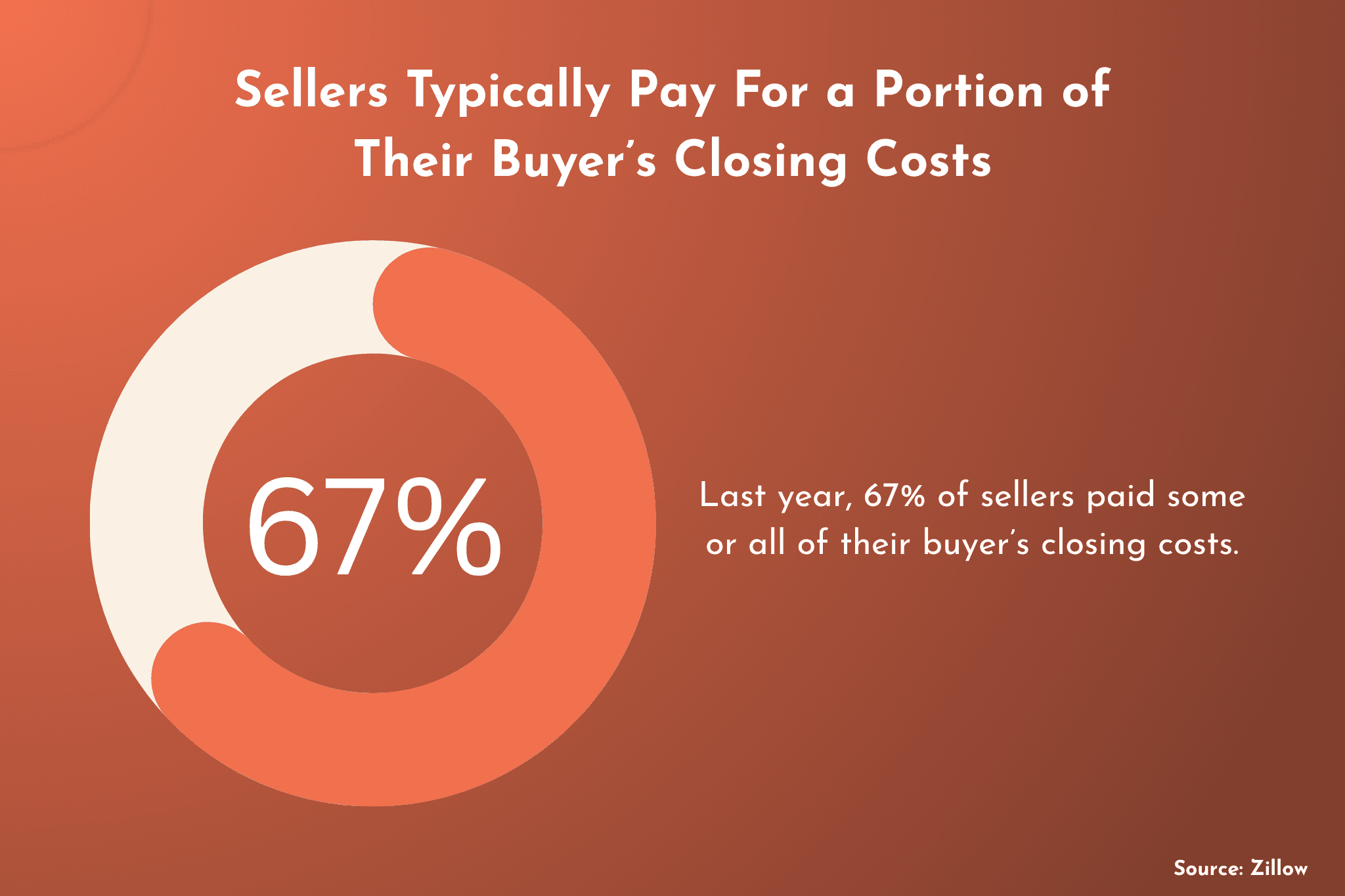
According to Zillow's 2025 market research, 67% of sellers reported paying some or all of their buyer's closing costs last year. That figure reflects a fundamental shift in market dynamics - one that sellers entering today's market should factor into their pricing and negotiation strategy.
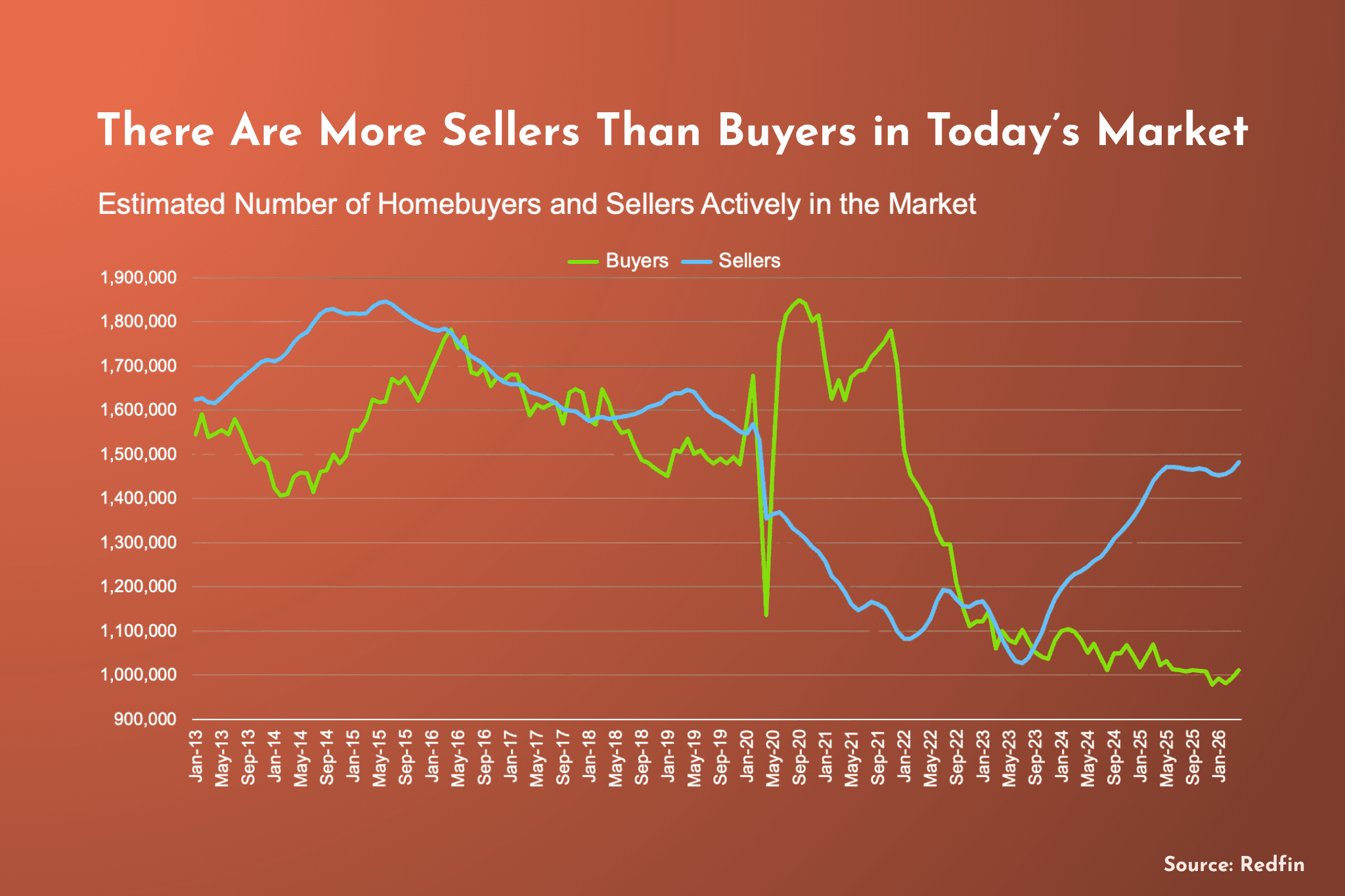
Inventory data from Redfin confirms that the number of active sellers continues to exceed active buyers in many market segments, tilting negotiating leverage in the buyer's direction in ways that haven't been seen in several years. While Mueller and select East Austin submarkets remain competitive, sellers across the broader Austin metro are encountering buyers who are better positioned - and more willing - to negotiate than at any point in recent memory.
Mueller Residential Group's monthly Mueller Market Updates on YouTube provide a detailed, data-driven look at how these trends are playing out specifically in the Mueller neighborhood and surrounding East Austin communities.
When Seller-Paid Closing Costs Make Strategic Sense
Not every seller should offer closing cost assistance - and not every market context warrants it. However, the following conditions typically indicate that a concession is worth considering:
Days on market are exceeding the neighborhood average
Showing activity is strong but is not converting to offers
Competing listings in the same price range are offering concessions
The seller has a defined timeline and prioritizes certainty over maximum proceeds
A negotiation is at risk of collapsing over buyer-side liquidity constraints
The analytical frame that serves sellers best is one focused on net outcomes, not line-item optics. A $7,500 closing cost contribution that closes a $425,000 deal with a qualified buyer is not a financial concession - it's a transaction cost that replaces an extended carrying period, additional price reductions, and the cumulative risk of a deal falling through entirely.
The sellers succeeding in today's Austin market are those who approach concessions as a calculated strategy, not a sign of weakness.
Alternative Concessions to Consider
For sellers who prefer not to contribute directly to buyer closing costs, there are several alternative concessions that address buyer concerns effectively:
Home warranty coverage - reduces buyer anxiety about major system failures post-closing
Repair credits - resolves inspection items without requiring the seller to manage contractors
Flexible closing timelines - a low-cost concession that buyers frequently value highly
Inclusion of appliances or furnishings - reduces buyer move-in costs and simplifies the transition
The optimal concession strategy is highly dependent on local conditions, buyer demographics, and individual seller circumstances. For additional context on how to structure competitive offers and negotiations in the Austin market, Mueller Residential Group's resource library at muellerresidentialgroup.com/resources offers guidance on a wide range of seller and buyer topics, including:
Key Takeaways for Austin and Mueller Sellers
The sellers navigating today's Austin market most successfully are those who understand the current landscape and approach it with strategic flexibility. Whether that means contributing to closing costs, offering repair credits, or simply pricing accurately from day one, adaptability is a measurable competitive advantage in the present environment.
Seller concessions are not a retreat from market position - they are a tool. Knowing when and how to deploy them is precisely what experienced local representation provides.

FAQ: Buyer Closing Cost Concessions - What Austin Sellers Need To Know
1. What are buyer closing costs, and why do they matter to sellers?
Buyer closing costs encompass the fees and charges - loan origination, appraisal, title insurance, and more - that buyers must pay at the closing table. They typically range from 2%–5% of the purchase price. Sellers matter because buyers with limited upfront liquidity may request the seller contribute to these costs as part of the purchase agreement.
2. How prevalent are closing cost concessions in the current Austin market?
Zillow's 2025 data indicates that 67% of sellers contributed to buyer closing costs last year - making it one of the most common forms of seller concession in the current market cycle.
3. Does contributing to closing costs necessarily reduce the seller's net proceeds?
It does reduce gross proceeds by the amount of the concession, but the net financial outcome depends on the full picture. Avoiding extended market time, additional price reductions, or a failed transaction often makes the concession cost-effective in practice.
4. Can a seller increase the list price to account for closing cost concessions?
In some scenarios, yes - but the transaction must appraise at the agreed-upon price or the financing may be jeopardized. An experienced agent can help sellers structure offers that account for appraisal risk.
5. Are there situations where sellers should decline to cover closing costs?
Yes. When multiple competitive offers are in play, inventory in the price range is limited, or the seller's carrying costs are low, there may be little strategic benefit to offering concessions. Market context is everything.
6. What alternative concessions are commonly offered by Austin sellers?
Home warranties, repair credits, flexible closing dates, and appliance inclusions are all effective alternatives that address buyer concerns without a direct cash contribution to closing costs.
7. How should closing cost concessions be documented in a transaction?
All concessions must be reflected in the executed purchase contract and properly disclosed. Side agreements outside the contract are not permissible and create legal and financing complications.
8. Do closing cost concessions attract less financially qualified buyers?
Not necessarily. Buyers still must qualify for their mortgage regardless of concessions. Many financially strong buyers simply prefer to preserve liquidity by asking for concession help. Buyer qualification should always be evaluated on its own merits.
9. How do market conditions in Mueller differ from broader Austin trends?
Mueller often performs differently from broader Austin averages due to its established walkability, mixed-use amenities, and consistent demand from a specific buyer demographic. Localized data - which Mueller Residential Group tracks monthly - is essential for making informed concession decisions.
10. How can a seller determine the right concession strategy for their specific home?
The right strategy depends on days on market benchmarks, competing inventory, buyer financing conditions, and the seller's timeline and net proceeds goals. An experienced local agent with neighborhood-specific data is the most reliable resource for this determination.