Jun 30, 2026
Living Alongside Mueller’s Wildlife: A Neighbor’s Guide to Sharing Our Habitat
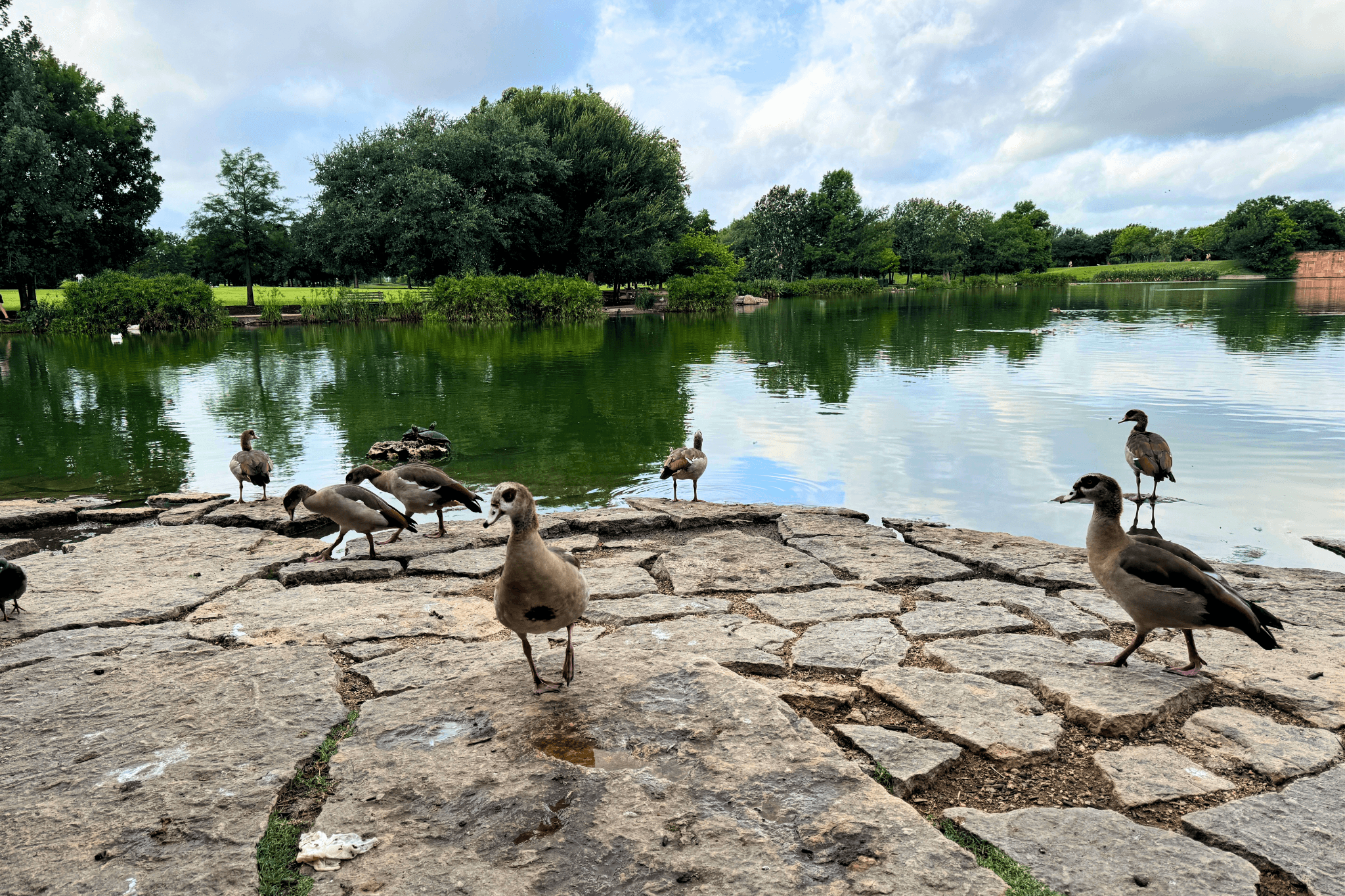
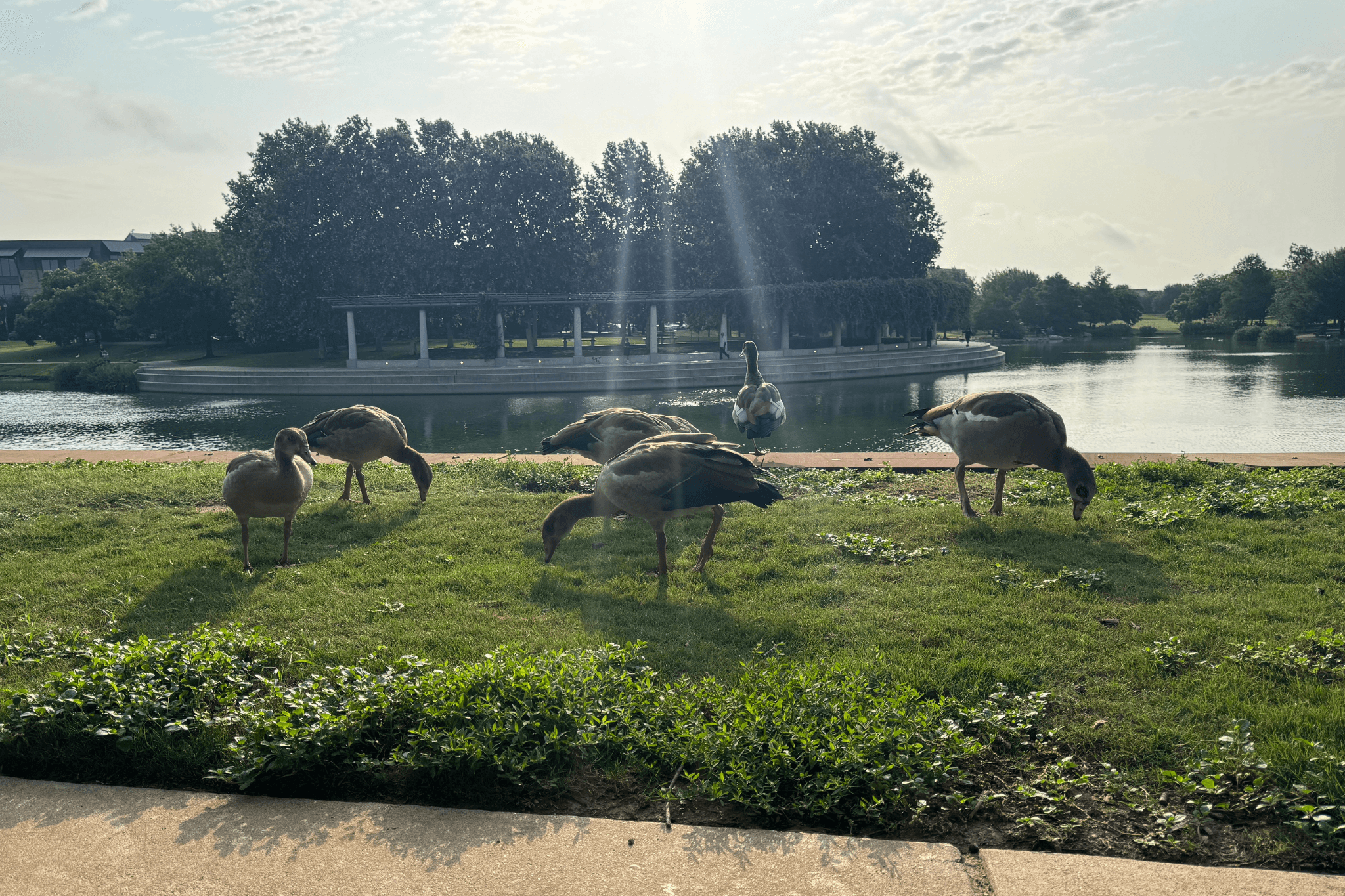
Mueller is home to more than 16,000 residents, but the neighborhood's parks, trails, and native landscaping also support a thriving population of wildlife. Along the shoreline at Girard Kinney Park, great blue herons, turtles, several species of ducks and an ever-growing flock of Egyptian Geese share space with daily walkers, while Mueller's resident grackles keep a close watch on every outdoor lunch.
Mueller Residential Group has put together this guide to help residents support a healthy, balanced habitat for people and wildlife alike.
Protecting Wildlife on the Trails and at the Lake
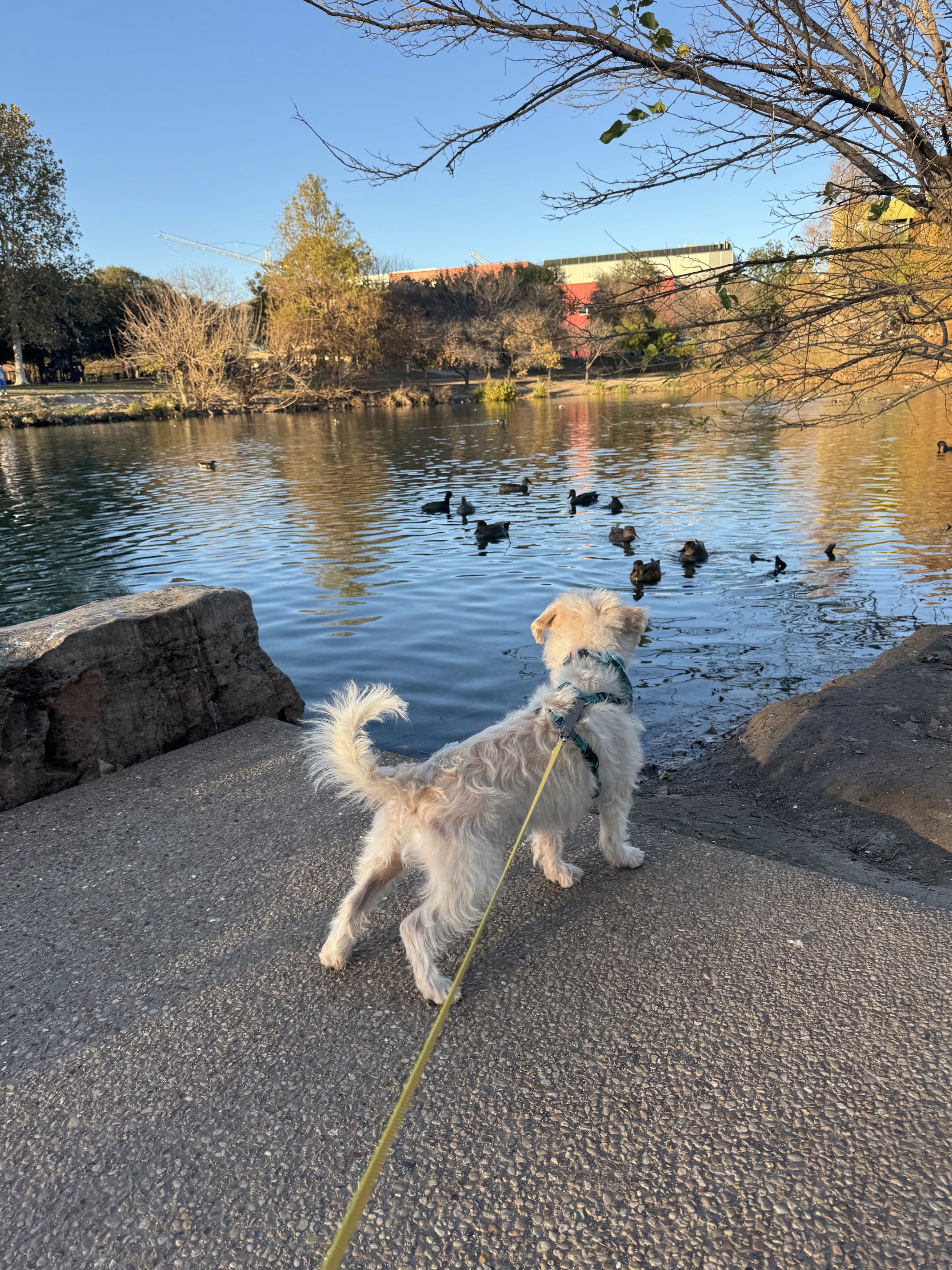
DO: Keep dogs leashed around wildlife.
Off-leash dogs can pose a serious stress risk to nesting birds, turtles, and ducks. Residents are encouraged to keep dogs leashed in designated areas, particularly near the lake, wetlands, and nesting sites, and to avoid letting pets chase waterfowl.
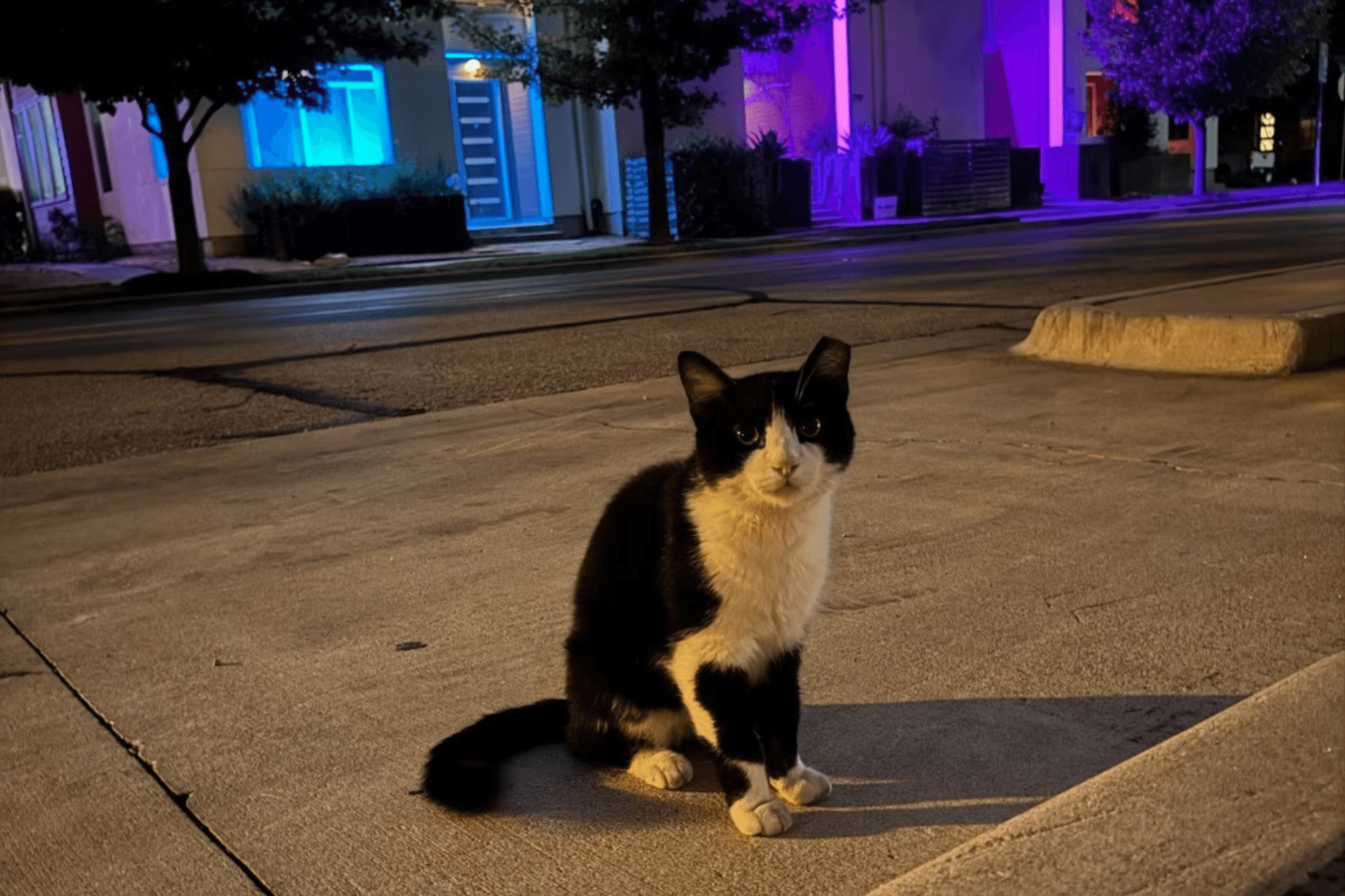
DON’T: Let your cat roam outdoors.
While cats are cherished pets, they are also effective predators of birds and small mammals. Smithsonian-affiliated research estimates domestic cats are responsible for roughly 2.4 billion bird deaths and 12.3 billion small-mammal deaths annually across the lower 48 states. Keeping cats indoors helps protect bird populations and reduces risks to cats from traffic, disease, and predators. Mueller residents should also be aware of the neighborhood's feral cat population — these animals should be treated as wildlife and given a respectful distance. Concerns can be directed to Austin Animal Services or Austin Wildlife Rescue.
Caring for Mueller's Green Spaces
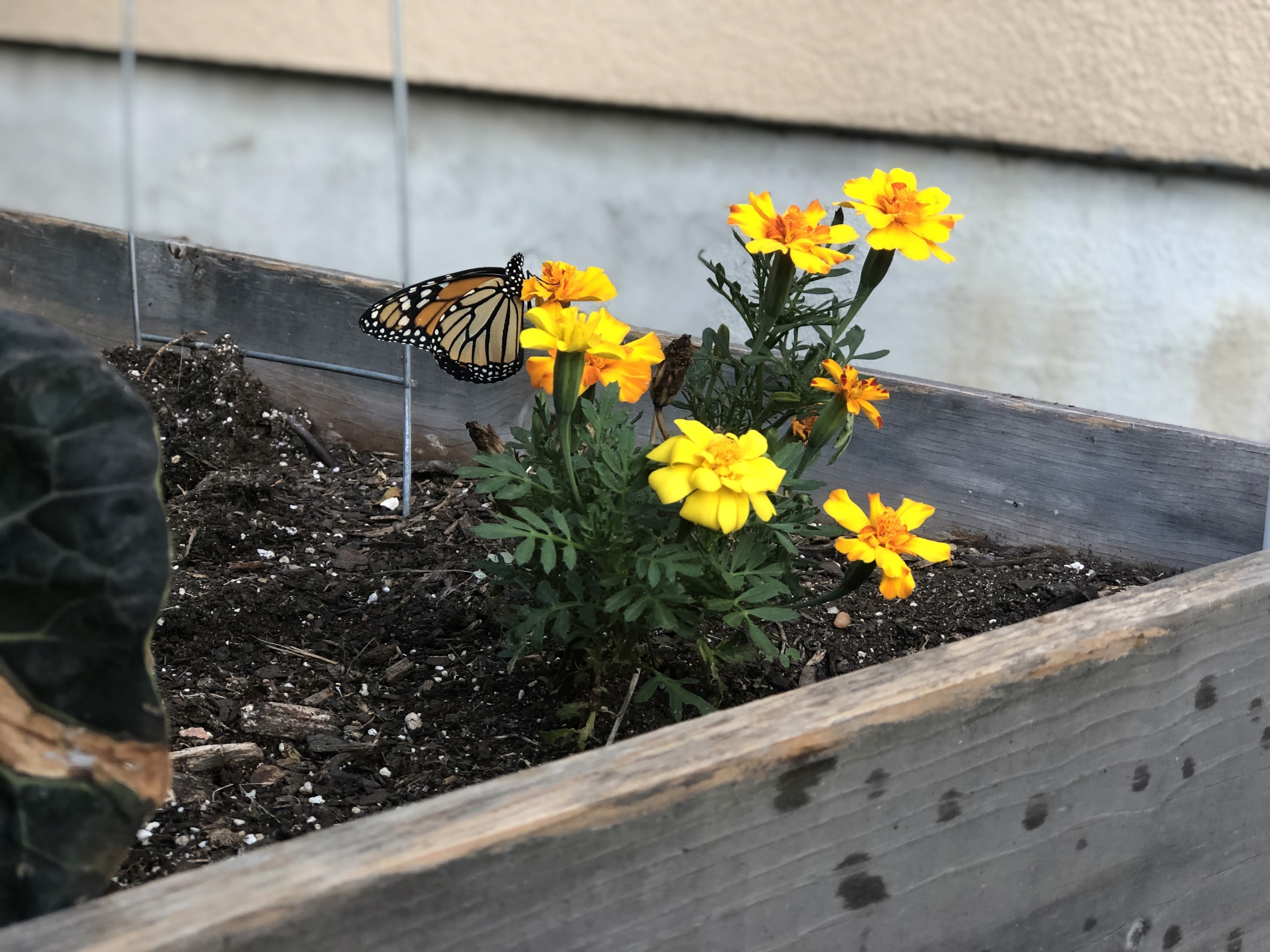
DO: Plant native and pollinator-friendly gardens.
Turk's Cap, Flame Acanthus, Blackfoot Daisy, Gregg's Mistflower, and native milkweed provide essential food and shelter for pollinators throughout the year.
DON’T: Rely on harsh chemicals (at least not as a first option)
Conventional pesticides and herbicides can affect pollinators, birds, pets, and beneficial insects in addition to target pests. Hand-pulling weeds, encouraging beneficial insects, applying mulch, and treating specific problem areas are lower-impact alternatives.
Enjoying the Lake Responsibly
DO: Fish according to posted regulations.
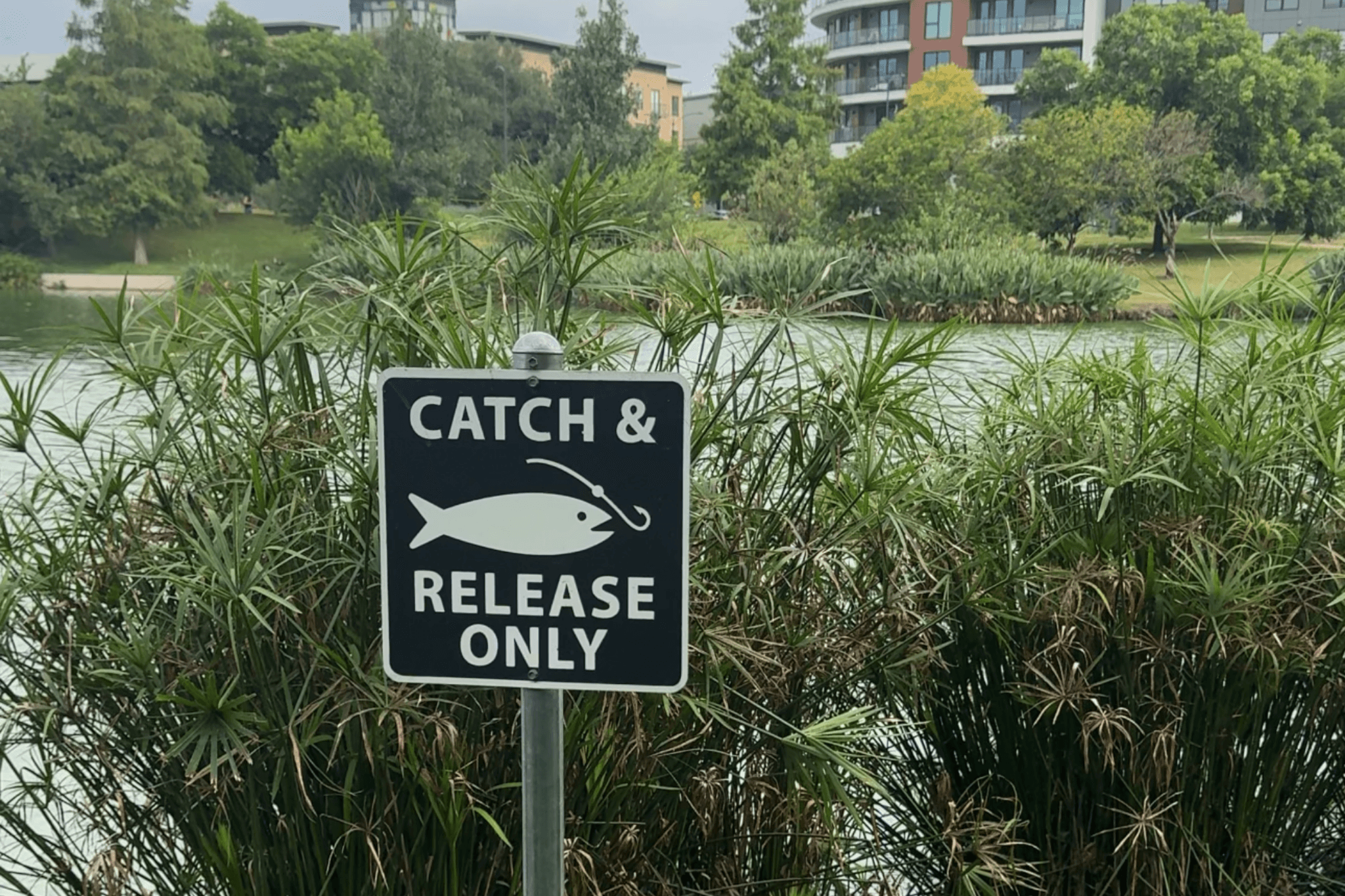
Fishing is permitted at the lake at Girard Kinney Lake Park on a catch-and-release basis, and a valid Texas fishing license is required. Residents are asked to remove all fishing line, hooks, and tackle from the area, as discarded line poses a serious injury risk to wildlife.
DON’T: Feed wildlife
Feeding wildlife. Wildlife generally fares best without human food, which can create health issues and unhealthy dependence on people.
Keeping Mueller Clean
DO: Pick up after your dog.
Dog waste not only introduces bacteria and excess nutrients that can affect local waterways, this Do is just plain common courtesy. Who here hasn’t had their day ruined by stepping in dog poo? And when it’s a child that steps in it… no. Just, no.
DON’T: Leave litter behind.
Litter poses entanglement and ingestion risks to wildlife. Extra points for making sure the trash you put in one of the several strategically placed trash bins around the neighborhood isn’t a risk of blowing out of the trashcan.
Responding When Wildlife Needs Help
DO: Know who to call.
Residents who encounter injured, orphaned, or distressed wildlife should avoid direct intervention and instead contact Austin 3-1-1 or Austin Wildlife Rescue.
DON’T: Let the grackles win (well, try not to).
If you’re enjoying lunch by the lake, keep an eye on your chips, tacos, and sandwiches. Mueller’s grackles have spent years perfecting the art of opportunistic dining, and a little vigilance goes a long way.
Why It Matters
Mueller's integration of nature into daily life, from herons and turtles to dragonflies and hawks - and yes, even the squirrels - is one of the neighborhood's defining features. Thoughtful, consistent habits from residents help preserve this balance for both the community and the wildlife that shares it.