Mar 25, 2026
How Mueller Homeowners Are Turning Their Yards Into Pollinator Havens This Spring
As spring arrives in Austin, more and more Mueller residents are discovering what ecological landscapers and conservation advocates have long known: the most rewarding outdoor spaces aren't the ones with perfectly manicured lawns - they're the ones teeming with life. Butterflies drifting over milkweed. Hummingbirds hovering at native blooms. Songbirds foraging in native grasses. This kind of backyard biodiversity is well within reach for Mueller homeowners - and it starts with a few native plants.
Why Native Texas Plants Are the Foundation of a Living Landscape
Native plants are more than an aesthetic choice. They're the ecological backbone of a healthy yard. Unlike many conventional nursery plants, native species co-evolved alongside Central Texas wildlife, meaning they provide the precise food sources, nesting materials, and shelter that local birds, bees, and butterflies need to thrive.
The result is a landscape that does far more than look good: it functions as a living ecosystem, connecting Mueller's private yards to the broader network of green space - from Girard Kinney Park at Mueller (formerly Mueller Lake Park) to the Southwest Greenway - helping pollinators and birds navigate urban Austin with greater ease.
Starter Plants That Make a Real Difference
Whether working with a modest patio, a parkway strip, or a full yard, Mueller homeowners can have an immediate positive impact on local biodiversity with just a few well-chosen species:
🦋 Milkweed - The sole host plant for Monarch butterfly caterpillars and an essential link in their migration corridor.
🌺 Turk's Cap & Salvia greggii - Proven hummingbird attractors; heat-tolerant, drought-resistant, and easy to establish.
🌾 Inland Sea Oats & Little Bluestem - Native grasses that provide seed for songbirds and critical nesting material for cavity-nesting species.
💧 A shallow water source - Refreshed every few days, it becomes a reliable gathering point for birds and beneficial insects alike. *Be sure not to let the water get stagnant or too dirty.
For a comprehensive list of pollinator-friendly species suited to Central Texas, the City of Austin's Grow Green program is an authoritative starting point. Residents can also follow eventsinmueller.com for community plant swaps, park workshops, and neighborhood events centered on sustainable living.
The Practical Case for Native Landscaping
Beyond ecological value, native plant gardens offer homeowners a compelling set of practical advantages - particularly in Austin's demanding climate:
Significantly lower water usage - native species are adapted to Central Texas rainfall patterns and typically require little to no supplemental irrigation once established.
No need for chemical pesticides - a balanced native ecosystem naturally limits pest pressure, protecting both the landscape and the wildlife it supports.
Heat and drought resilience - when triple-digit July temperatures arrive, native plantings continue to perform where conventional landscaping falters.
Reduced long-term maintenance - established native gardens are inherently lower-maintenance than traditional lawn-and-shrub landscapes.
Native Landscaping and Mueller Home Values
For homeowners thinking about the long-term picture, thoughtfully designed native landscapes are increasingly recognized as a value-add in Mueller's market. Buyers drawn to Mueller for its walkability, community character, and sustainability ethos respond positively to established pollinator gardens - they signal stewardship and reduce the new buyer's upfront landscaping burden.
For more on how outdoor improvements can enhance a home's marketability, see our resources on Summer Home Maintenance Tips for Mueller Homeowners and Simple Upgrades to Boost Your Home's Value - both designed to help Mueller homeowners protect and grow their investment.
Want a Help From a Pro?
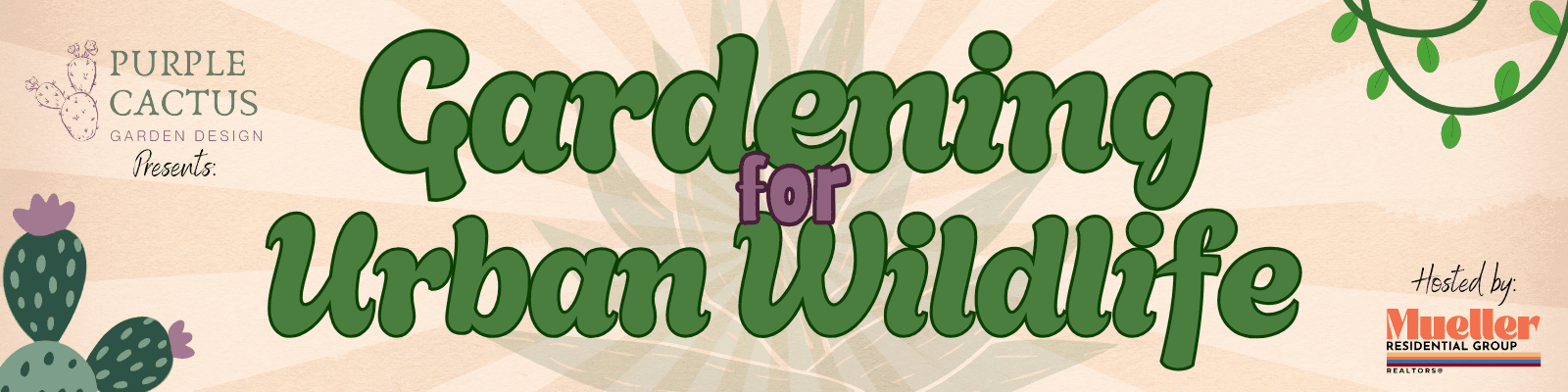
If any of this seems daunting or confusing, I highly recommend reaching out to my dear friend Lindsey Schell with Purple Cactus Gardens. On top of being a top-notch human being, Lindsey is an expert in garden coaching and garden design. In fact, we recently hosted her at the MRG offices for a wonderfully informative talk on Gardening for Urban Wildlife.
Stay Informed and Connected in Mueller
Mueller is a neighborhood that takes community seriously - and that ethos extends to its green spaces. Bookmark eventsinmueller.com for an up-to-date calendar of plant swaps, neighborhood workshops, park activations, and more. It's one of the best resources available for staying connected to what makes Mueller such a distinctive place to live.
Whether considering buying, selling, or exploring the current value of a Mueller property, the team at Mueller Residential Group is available to help. Reach out anytime.
—————————
Frequently Asked Questions
Q: Which native plants are best for attracting pollinators in the Mueller neighborhood?
For Mueller homeowners, high-performing choices include Milkweed (critical for Monarchs), Salvia greggii, Turk's Cap, Inland Sea Oats, Little Bluestem, Coneflower, and Black-eyed Susan. These species are native to Central Texas, widely available, and excel under Austin's heat and drought conditions.
Q: How much water do native Texas plants require compared to conventional landscaping?
Substantially less. Once established - typically after their first growing season - most native Central Texas plants thrive on natural rainfall alone. This makes them especially practical in Austin, where outdoor watering restrictions are frequently in effect during summer months.
Q: Can Mueller residents with limited outdoor space create a meaningful pollinator habitat?
Yes. Container gardens planted with native species - Milkweed, compact Salvia varieties, or native grasses - can serve as meaningful waypoints within the urban pollinator corridor. Even a single well-chosen plant contributes to the broader network of habitat connecting Mueller's parks and greenways.
Q: Are there safety concerns about attracting bees to a residential yard?
Native bee species - mason bees, sweat bees, and bumblebees among them - are generally docile and rarely sting. They are biologically distinct from the aggressive yellow jacket wasps most people associate with stinging incidents. A garden designed for native pollinators typically increases beneficial insect diversity while supporting a naturally balanced ecosystem.
Q: Where can Mueller residents source native plants locally?
Austin nurseries specializing in native plants include The Natural Gardener and Barton Springs Nursery. The City of Austin's Grow Green program periodically hosts plant giveaways and educational events. Community plant swaps in Mueller are also regularly listed at eventsinmueller.com.
Q: Does native landscaping add measurable value to a Mueller home?
Established native gardens are increasingly recognized as a value-add in Mueller's market, particularly among buyers who prioritize sustainability and low maintenance. They signal thoughtful homeownership and reduce the upfront landscaping commitment for incoming buyers - both positive attributes in a competitive real estate environment.
Q: What is Austin's Grow Green program and how can Mueller residents use it?
Grow Green is a joint initiative from the City of Austin and Texas A&M AgriLife Extension Service designed to promote environmentally responsible landscape practices. Their plant guides are specifically calibrated for Central Texas growing conditions. Resources are available at austintexas.gov/growgreen.
Q: What is the connection between native plants and Mueller's existing green spaces?
Mueller was designed as a community that integrates green space at every scale - from Mueller Lake Park and the Southwest Greenway to pocket parks and tree-lined streets. Private native gardens extend this ecological network into residential yards, creating continuous habitat corridors that support bird and pollinator movement throughout the neighborhood.